
Consumer Electronics Fulfillment & China Sourcing
Source and fulfill ecommerce-friendly electronics with supplier capability review, functional testing, transport documentation and market compatibility checked before products move into fulfillment.
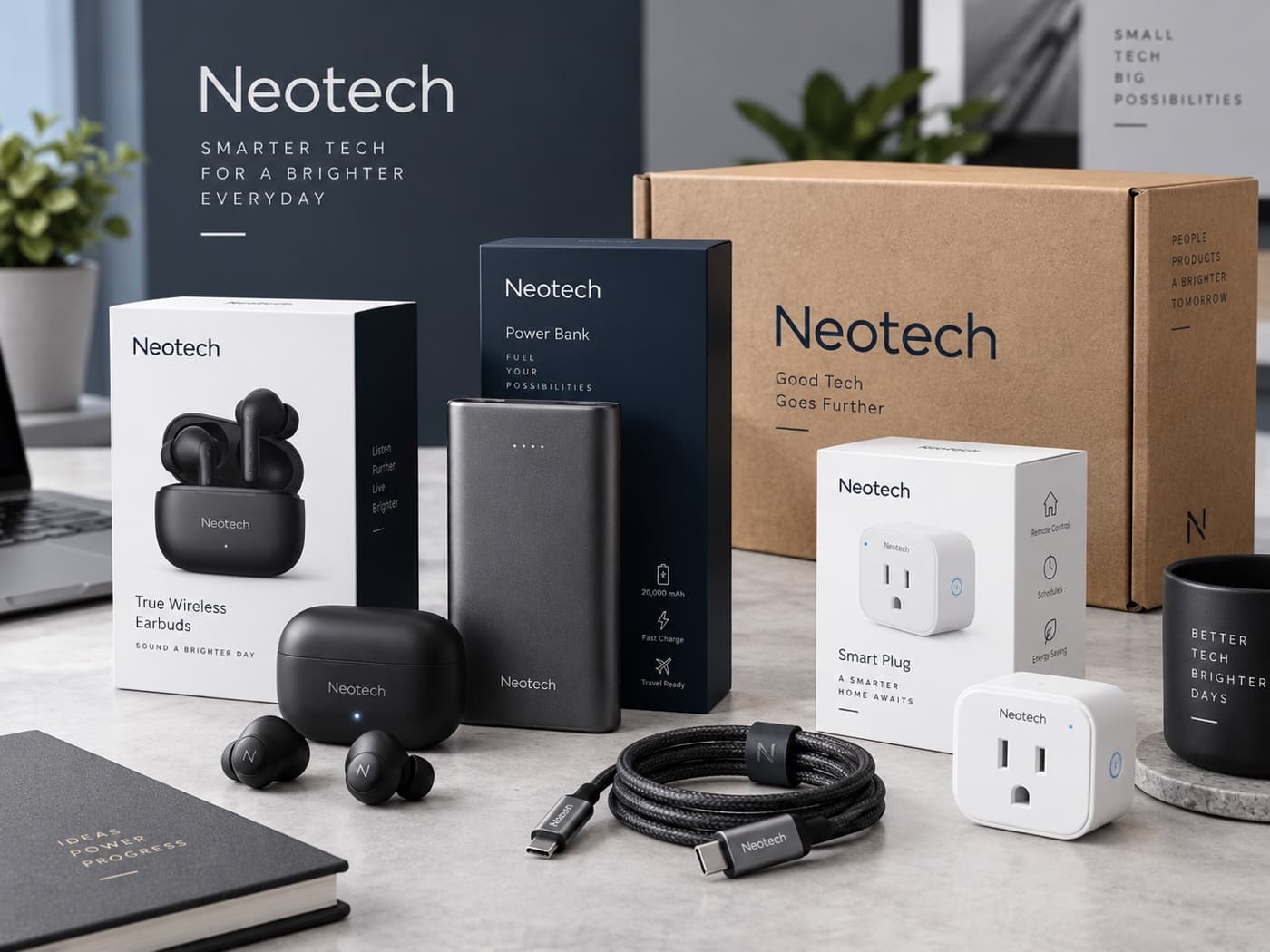
- Functional testing on sampled units
- Component consistency against specification
- Battery transport documentation where applicable
- Plug, voltage & market compatibility
Source, test, document, match market, ship
- 01Source
Supplier capability
- 02Test
Functional QC
- 03Document
Battery / product documentation
- 04Match market
Compatibility requirements
- 05Ship
Approved logistics route
Function first. Appearance second.
An electronic product that looks right and does not work is a return, a refund and a review. Inspection has to power the thing on.
A visual inspection tells you a cable is the right colour. It does not tell you whether it charges at the rate the listing claims, whether the connector seats properly, or whether the component inside is the one that was specified.
Sampled units are tested against the specification, and the box is checked for every accessory it should contain. Production-stage inspection is quality control and production follow-up; supplier capability review runs through China Sourcing.
Which checks apply depends on the product. Not every item receives every test.
- Product sample
- Power and function
- Connectors and output
- Component check
- Accessories in the box
- Pass or action
The build should not change between runs
A substituted component is the most common way an electronics product degrades without looking different. The approved build is the reference, and production is confirmed against it rather than against the last shipment.
Battery products need a route before they need a label
A lithium product is only sellable where it can legally and practically be moved. That is decided by the cell, the configuration and the documentation that exists for it, so the route is established before production rather than at a carrier handover.
Built for the destination market
The same device can be correct for one market and unsellable in another.
- Checked per destination
- Plug type
- Voltage and frequency
- Manual and labelling
- Product-specific requirements
Plug type, voltage and frequency, and the manual and labelling a market expects are practical compatibility questions that get settled before production, not after a container lands.
Depending on the device and the destination, relevant references can include CE, UKCA, FCC, RoHS, REACH, IEC or UL. Not every product requires any given one of these, Neofulfill does not issue them, and holding one for one market does not carry over to another.
Consumer Electronics FAQs
What types of consumer electronics can Neofulfill source?
How is electronics quality control performed?
What documentation may be required for battery-powered products?
Can Neofulfill ship lithium battery products?
What market requirements may apply to electronics?
Sourcing or scaling an electronics product?
Share the product, specification, battery configuration if applicable, and destination markets. We can review sourcing, testing, documentation and shipping requirements before production.