
White label vs private label vs OEM vs ODM
Four terms used interchangeably that mean different things. How much of the product actually changes in each, what that does to minimum order quantities and development time, and which fits which stage of a brand.
7 min read
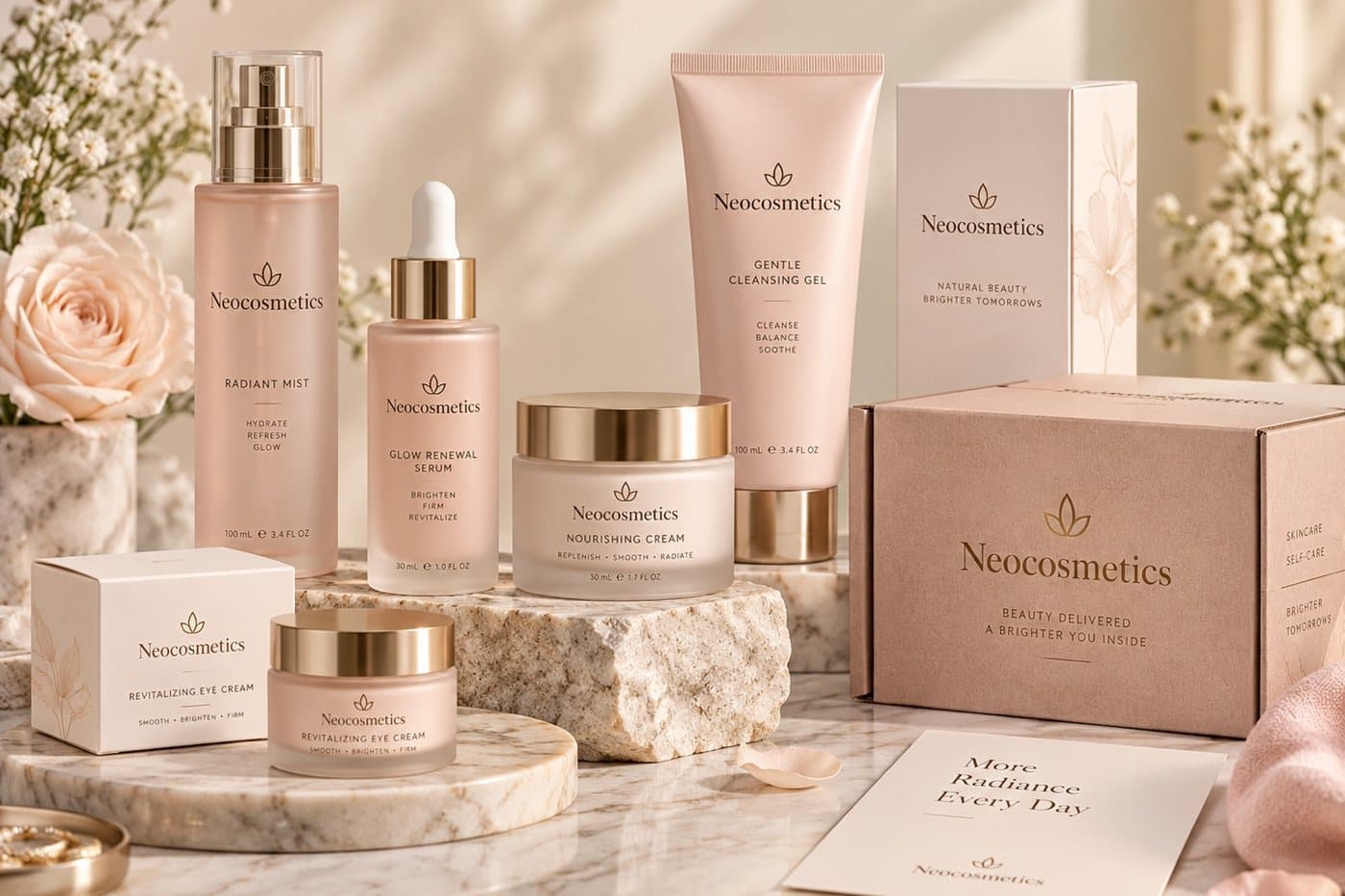
These four terms get used as if they were interchangeable, and they are not. They describe increasing depth of change to a product, and each step up buys more control at the cost of more commitment, more time and a higher minimum order.
The useful question is not which is most advanced. It is which matches what you are actually trying to change.
White label
A product that already exists, made to a manufacturer's specification, sold to multiple brands who each apply their own labelling and packaging. The formulation or design does not change; the branding does.
The appeal is speed and commitment. The product is proven and in production, so minimums are lower and there is no development cycle. The limit is that competitors can sell the same product, and your differentiation lives entirely in brand, packaging and positioning. See white label.
Private label
The line between white label and private label is blurry in everyday use, and the practical difference is how much of the product itself changes. Private label generally means a product made for your brand with some specification changed: a formulation adjustment, a material change, a different size or configuration.
You get something a competitor cannot buy off the same shelf. In exchange there is a specification to agree, samples to approve, and usually a higher minimum because the factory is running something for you rather than for stock.
OEM
Original Equipment Manufacturer, in the sense the term is used in sourcing: you bring the design or the specification, and the manufacturer produces to it.
This is the route when the product does not exist yet and you know what it should be. It gives the most control over the outcome and puts the most responsibility on you, since the specification is yours and so are its mistakes. Expect tooling or setup costs, several sample rounds and the longest lead time of the four.
ODM
Original Design Manufacturer: the factory has its own design or development capability, and you adapt one of its designs rather than starting from a blank page.
It sits between private label and OEM. You get more than a relabel and less than a bespoke product, without carrying the whole development burden. The question worth settling early is who owns the design and any tooling, because that decides whether the same product can be sold to somebody else.
Comparing the four
| What changes | Development | Typical MOQ | Time to market | |
|---|---|---|---|---|
| White label | Labelling and packaging only | None | Lowest | Fastest |
| Private label | Some product specification | Specification and samples | Higher | Moderate |
| ODM | A factory design adapted to you | Adaptation and samples | Higher | Moderate to long |
| OEM | Manufactured to your own design | Full, often with tooling | Highest | Longest |
Minimums and lead times are not fixed by the model. They depend on the product, the category and the factory, and are quoted per project rather than published as ranges.
What actually drives the decision
How much needs to change
If the product is fine and the packaging is the problem, do not commission a formulation. Custom packaging is a separate decision from changing the product, and it is the cheapest meaningful differentiation available.
How certain you are
Development depth is a bet on demand you have not yet proven. OEM on an unvalidated product concentrates cash and months into something the market has not confirmed it wants.
What you can hold
A higher minimum is inventory sitting somewhere until it sells. That is a cash-flow question before it is a product question, and it is worth answering before agreeing to a quantity.
Who owns the design
For ODM and OEM this decides whether your product stays yours. Settle it in writing before tooling is cut, not afterwards.
Which fits which stage
- Testing a category. White label with strong packaging. Learn whether anyone wants it before spending on making it different.
- A product that sells but does not stand out. Private label. Change the part customers notice, keep the rest.
- A range with predictable demand. ODM. Adapt a proven factory design instead of financing development from scratch.
- A defined product strategy and specifications to match. OEM. You are paying for control, which is only worth it once you know what to control.
Most brands move through these rather than choosing once. Starting at the deep end is a common and expensive mistake, and so is staying at the shallow end after a product has clearly earned more. The progression across all four is set out on custom branding and private label, and the deeper routes on private label, OEM and ODM.
Common questions
Is private label better than white label?
What is the difference between OEM and ODM?
Do I need higher volume for OEM?
Deciding how far to take your product?
Tell us what you sell, what you want to change and your target quantity. We can set out which production route the project actually needs.